In safety and operational excellence, how an organization responds when things go wrong is just as important as how it tries to prevent those events in the first place. The principle of “Response Matters” in Human and Organizational Performance (HOP) reminds us that our reactions—especially from leadership—shape whether people feel safe to speak up, whether we learn from the event, and whether we improve the system or repeat the mistake.
When a serious incident occurs or a high-severity risk is discovered, it’s natural for emotions to run high. However, a non-judging, constructive response is critical—not only for the well-being of those directly involved, but for the entire safety culture.
Focus on What Failed, Not Who Failed
In traditional safety models, the immediate instinct is often to ask, “Who made the mistake?” But HOP encourages a different mindset: ask instead, “What allowed this to happen?” Shifting the focus from blame to understanding allows organizations to uncover deeper systemic issues—such as ambiguous procedures, unrealistic expectations, or gaps between how work is imagined versus how it’s actually performed.
This perspective is particularly valuable in complex, high-risk environments where even well-trained, well-intentioned workers can make errors due to system pressures or conflicting priorities. Blame adds noise to the signal; learning requires clarity and curiosity.
A Supportive Response Encourages Openness (aka “Don’t Shoot the Messenger!”)
How leaders respond—especially in the first moments after an event—sets the tone for everything that follows. A non-judgmental response includes showing empathy, asking open-ended questions, and seeking to understand the context. Workers who feel heard and supported are far more likely to share valuable insights about the challenges they face and the adaptations they make every day to get the job done.
Encouraging open communication requires a psychologically safe environment where people trust that reporting issues, near-misses, or concerns won’t result in punishment. Organizations that foster this kind of environment are better equipped to surface weak signals before they become major events.
Learning from Events to Strengthen Systems
Every EHS input is an opportunity to learn—not just from major incidents, but from the full spectrum of data: near-misses, observations, safety suggestions, job safety analyses, inspections, and informal conversations. These diverse signals provide a more complete understanding of the system and where vulnerabilities exist.
Effective organizations don’t wait for harm to occur before taking action. They build feedback loops that gather and analyze all of this input, looking for patterns and signals that may otherwise go unnoticed. This broader, integrated view allows teams to identify system gaps, strengthen processes, and implement improvements proactively—not just reactively.
Tools and platforms that streamline the collection and analysis of these EHS inputs—without overburdening the workforce—can quietly enhance an organization’s capacity to learn, prioritize risk, and drive smarter decisions.
Conclusion: Set the Tone for Learning
The way we respond when things go wrong has a lasting impact. Leaders play a pivotal role in shaping that response. By choosing to focus on understanding over blame, and improvement over punishment, organizations create the space needed for genuine learning and progress.
You can’t manage what you don’t know about. When people are afraid to speak up or when systems fail to capture what’s really happening, risks remain hidden—and so do opportunities for improvement. A non-judging response, grounded in empathy and curiosity, signals to the workforce that their input matters. It reinforces the idea that people are the solution, not the problem—and that every voice, every observation, and every event has something to teach us.
By responding thoughtfully and consistently, organizations can transform events into learning, and learning into lasting improvement.
AUTHOR BIO:-
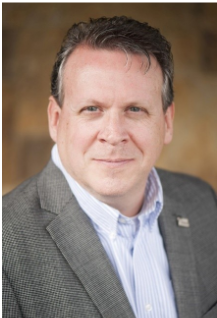
Cary comes to the SafetyStratus team as the Vice President of Operations with almost 30 years of experience in several different industries. He began his career in the United States Navy’s nuclear power program. From there he transitioned into the public sector as an Environmental, Health & Safety Manager in the utility industry. After almost thirteen years, he transitioned into the construction sector as a Safety Director at a large, international construction company. Most recently he held the position of Manager of Professional Services at a safety software company, overseeing the customer success, implementation, and process consulting aspects of the services team.
At SafetyStratus, he is focused on helping achieve the company’s vision of “Saving lives and the environment by successfully integrating knowledgeable people, sustainable processes, and unparalleled technology”.s vision of “Saving lives and the environment by successfully integrating knowledgeable people, sustainable processes, and unparalleled technology”.