In Human and Organizational Performance (HOP), learning is not just about individual knowledge or compliance—it’s about how organizations absorb, act on, and adapt based on the realities of work. Organizational learning is essential to preventing incidents, improving safety outcomes, and driving continuous improvement across the enterprise. It requires more than check-the-box training; it demands a system that listens, reflects, and evolves. Rather than focusing solely on individual actions, this approach emphasizes the systems, conditions, and contextual factors that shape behavior and performance.
Why Organizational Learning Matters
Most events in the workplace don’t result from a lack of effort or care—they emerge from systems that fail to account for how work is actually performed. By examining real-world conditions—especially deviations between “work as imagined” and “work as performed”—organizations can better understand why mistakes occur and how to build resilience against them. This shift in perspective allows safety professionals and operational leaders to focus less on blaming individuals and more on improving systems.
Learn from Inputs, Not Just Outcomes
Effective organizational learning relies on paying attention to what’s happening before things go wrong. Inputs such as near-misses, employee observations, and routine task data offer critical insights that can help identify risk patterns early. These leading indicators provide a valuable complement to traditional lagging metrics, offering a fuller picture of operational reality. Capturing and acting on this input—especially from those doing the work—is key to meaningful learning and system improvement.
“Work as Performed” Is Where Learning Begins
A cornerstone of HOP is recognizing that people adapt and improvise their work to meet real-world constraints. These adaptations are not inherently unsafe—they’re often necessary to get the job done. But they can expose gaps between procedures and reality. Organizational learning means creating systems to hear from the field, analyze what’s actually happening, and use that feedback to improve policies, procedures, and tools. With the right EHS feedback loop in place, documenting and responding to these insights becomes an integrated part of operations.
Lessons Must Be Captured and Applied
Learning doesn’t happen unless lessons are captured, shared, and applied. Organizations that integrate learning into their ongoing operations can identify trends, strengthen procedures, and improve training. This requires systems that support communication, transparency, and accountability across teams. Tools that make information easier to share and insights easier to act on contribute to a stronger learning culture over time
From Learning to Action
At its core, HOP encourages organizations to view mistakes as opportunities to learn, not failures to punish. When learning becomes embedded in how an organization operates—through active listening, thoughtful analysis, and responsive change—it creates an environment where people are more engaged, risks are better understood, and safety is a shared value.
Conclusion
Organizational learning is essential to advancing safety, improving systems, and preventing repeat events. By paying attention to real-world work, valuing employee input, and acting on leading indicators, organizations can move beyond compliance and build true operational resilience. Embracing these principles—with the support of tools and processes that enable learning at scale—lays the groundwork for smarter, safer outcomes.
AUTHOR BIO:-
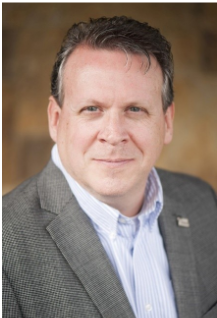
Cary comes to the SafetyStratus team as the Vice President of Operations with almost 30 years of experience in several different industries. He began his career in the United States Navy’s nuclear power program. From there he transitioned into the public sector as an Environmental, Health & Safety Manager in the utility industry. After almost thirteen years, he transitioned into the construction sector as a Safety Director at a large, international construction company. Most recently he held the position of Manager of Professional Services at a safety software company, overseeing the customer success, implementation, and process consulting aspects of the services team.
At SafetyStratus, he is focused on helping achieve the company’s vision of “Saving lives and the environment by successfully integrating knowledgeable people, sustainable processes, and unparalleled technology”.s vision of “Saving lives and the environment by successfully integrating knowledgeable people, sustainable processes, and unparalleled technology”.