In Human and Organizational Performance (HOP), we’re taught that how we respond matters, error is normal, and learning is vital. But one idea that deserves more attention—yet isn’t formally listed as a HOP principle—is this: Controls save lives.
Controls represent the proactive capacity of an organization to protect workers from harm. Whether physical safeguards, administrative measures, or personal protective equipment, controls serve to reduce the chance of an incident and help ensure that if something goes wrong, it doesn’t lead to serious injury or death. They are integral to capacity—to the ability of an organization to fail safely.
Shifting the Focus from Behavior to Capacity
Traditional safety approaches have too often focused on behavior: Did someone follow the rules? Were they paying attention? While human behavior is a factor, it should never be the linchpin of workplace safety. Remember, errors are normal and should be expected. Instead, we must focus on capacity—the built-in ability of a system to tolerate variability or error without causing harm. And that means recognizing a fundamental truth: the higher the hazard, the greater the necessary control.
High-risk work should never begin without essential controls in place. In this context, “controls” are not bureaucratic hurdles—they are life-saving measures that create the margin for error all humans need. In fact, relying on perfect behavior in hazardous situations is a warning sign of a weak safety system. No one can be perfect 100% of the time.
When controls are thoughtfully designed, implemented, and maintained, they act as buffers between everyday variability and catastrophic outcomes. The goal is not to demand flawless performance, but to ensure that when things go wrong—as they inevitably will—people survive.
Building Controls into the System
It’s not enough to have a control in theory. It must be verified, maintained, and easily understood by the people relying on it. This is where connected EHS systems quietly play a role—by helping teams document control requirements, track their presence in real time, and ensure nothing critical is missed before work begins.
Prevention Through Design and Verification
High-performing organizations don’t just react to incidents—they build prevention into the work. This includes:
- Designing work to minimize the possibility of harm from the start
- Embedding controls into workflows so they’re not optional or easy to bypass
- Requiring verification that essential controls are in place before any high-risk work begins
This kind of discipline doesn’t just prevent injuries—it sends a powerful message to workers: “Your life is worth protecting, and we’ve built the system to back that up.”
Elevating the Safety Conversation
When we talk about improving safety, the conversation must evolve beyond “how do we stop people from making mistakes?” to “how do we ensure that mistakes don’t lead to harm?” That shift—from judgment to design—is at the heart of HOP. And controls are the bridge between the two.
Effective safety systems aren’t reactive—they’re intentional, designed to reduce risk through embedded, validated layers of protection. As organizations strive to improve, EHS professionals must lead this transition by strengthening the connection between risk and control—ensuring that high hazard always equals high control, and that work doesn’t begin without it.
Conclusion: Capacity is a Commitment
In the end, safety isn’t just the absence of incidents; it’s the presence of capacity. Controls—robust, resilient, and verified—are how we build that capacity.
Because you can’t manage what you don’t know about, organizations must be intentional about identifying risks, confirming safeguards, and continually improving control strategies. When we prioritize controls, we don’t just protect compliance—we protect people.
And that’s what saves lives.
AUTHOR BIO:-
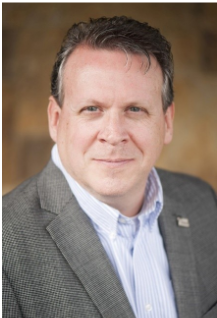
Cary comes to the SafetyStratus team as the Vice President of Operations with almost 30 years of experience in several different industries. He began his career in the United States Navy’s nuclear power program. From there he transitioned into the public sector as an Environmental, Health & Safety Manager in the utility industry. After almost thirteen years, he transitioned into the construction sector as a Safety Director at a large, international construction company. Most recently he held the position of Manager of Professional Services at a safety software company, overseeing the customer success, implementation, and process consulting aspects of the services team.
At SafetyStratus, he is focused on helping achieve the company’s vision of “Saving lives and the environment by successfully integrating knowledgeable people, sustainable processes, and unparalleled technology”.s vision of “Saving lives and the environment by successfully integrating knowledgeable people, sustainable processes, and unparalleled technology”.