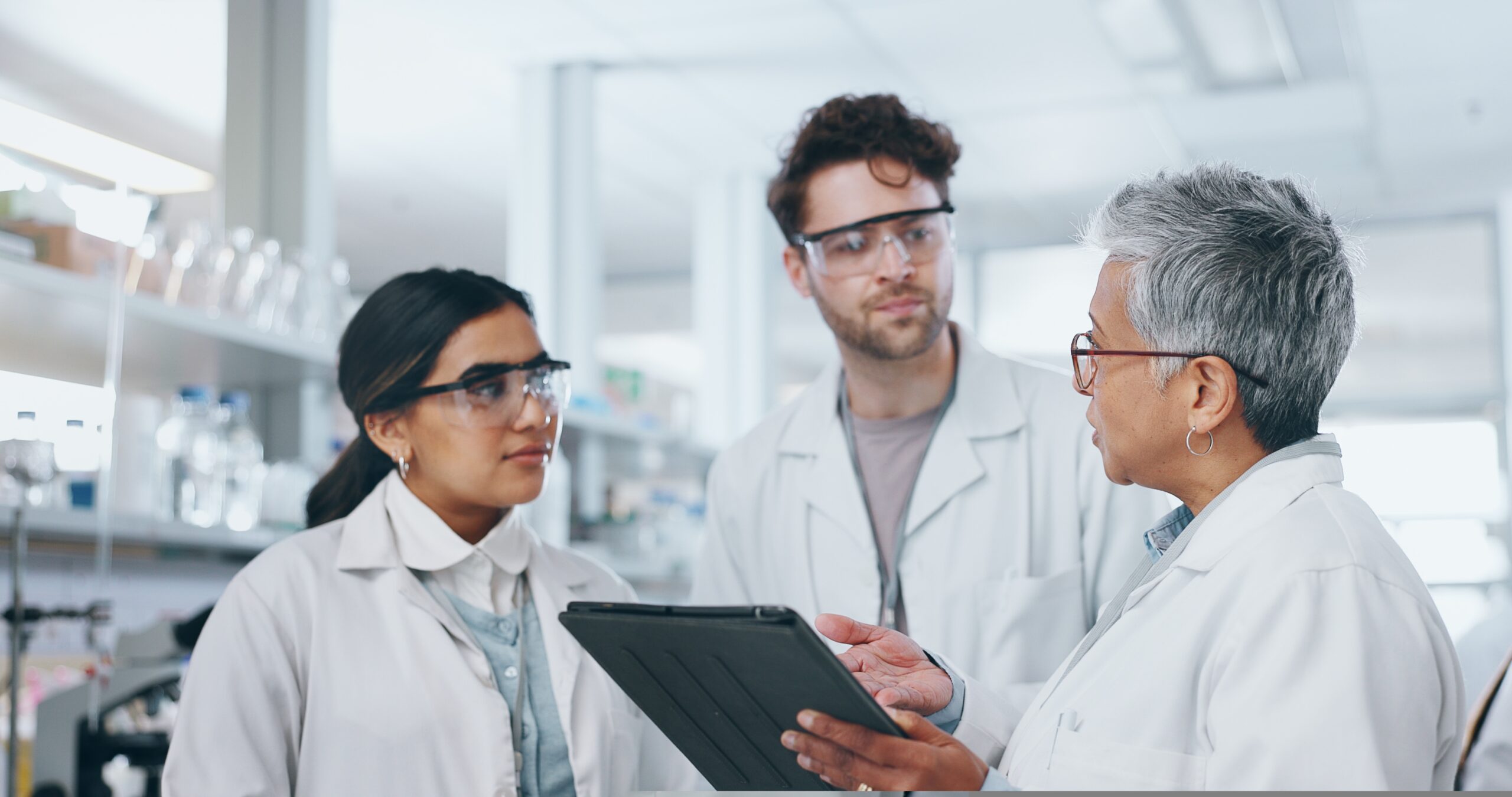
It has been five years since the COVID-19 pandemic shifted the way institutions viewed Biosafety and Biosecurity. It was a quick shift for many that involved understanding where there were gaps in programs, reporting, communication and training across the institution. This paired with federal policies on social distancing brought about a lot of fear, frustration, and delays. When looking at the last five years, what have improved on to be better prepared for the unknown and unexpected when it comes to Biosafety and Biosecurity. Let’s explore the key trends that are reshaping the future of lab safety in research and clinical settings.
Prior to the pandemic, labs and clinics tended to have safety plans that involved their current work and expected scenarios that they saw in their clinics. When the pandemic hit, they lacked the expertise and skills to scale these safety plans for an emerging pathogen. Since that time, labs and institutions are shifting to more dynamic, scalable risk assessments of their operations. Institutions are also taking the lessons learned during the pandemic to do broader scale scenario planning for pandemics, natural disasters, and bioterrorism attacks. They’re using digital risk assessment tools to track and update this information in real time so that labs have immediate access to the information.
In addition to updating safety and scenario planning, many institutions are adopting cloud-based platforms, like SafetyStratus, to manage biosafety protocols to increase automation, speed up reviews, amendments, and renewals so that when the nature of the research and the policies that are guiding that research are changing rapidly, researchers, IBC committees and EHS teams can quickly communicate with one another and update the lab staff on changing guidance and recommendations. In addition to the quick communication, having an online digital platform for managing protocols provides the institution the opportunity to review changes and audit these periodically and upon request in an efficient and quick manner without having to dig through emails and PDF files that could potentially be housed in many different locations. This also allows for more transparency across entire departments, where applicable, to ensure consistent messaging to labs and their staff.
Since the pandemic, there has also been increased scrutiny around dual-use research of concern (DURC) and gain-of-function (GOF) studies. In May 2025, new rules went into effect requiring further oversight over an expanded list of pathogens for DURC. This change has highlighted an industry requirement for implementing stronger access control systems and tracking for pathogens in use at the institution. Digital platforms allow for institutions to quickly pull this data to ensure that their institutions remain in compliance.
In the upcoming years, as institutions continue evolve their post-pandemic operations, particularly referencing Biosafety and Biosecurity protocols and policies, technology will become an increasingly critical tool to effectively manage change and increase communication. The rate at which AI and other technology develops to provide more opportunities for management of these will only increase and make those that labs already in digital solutions more successful. Institutions that adopt forward-thinking safety practices today will be better equipped for the challenges of tomorrow.
AUTHOR BIO:-
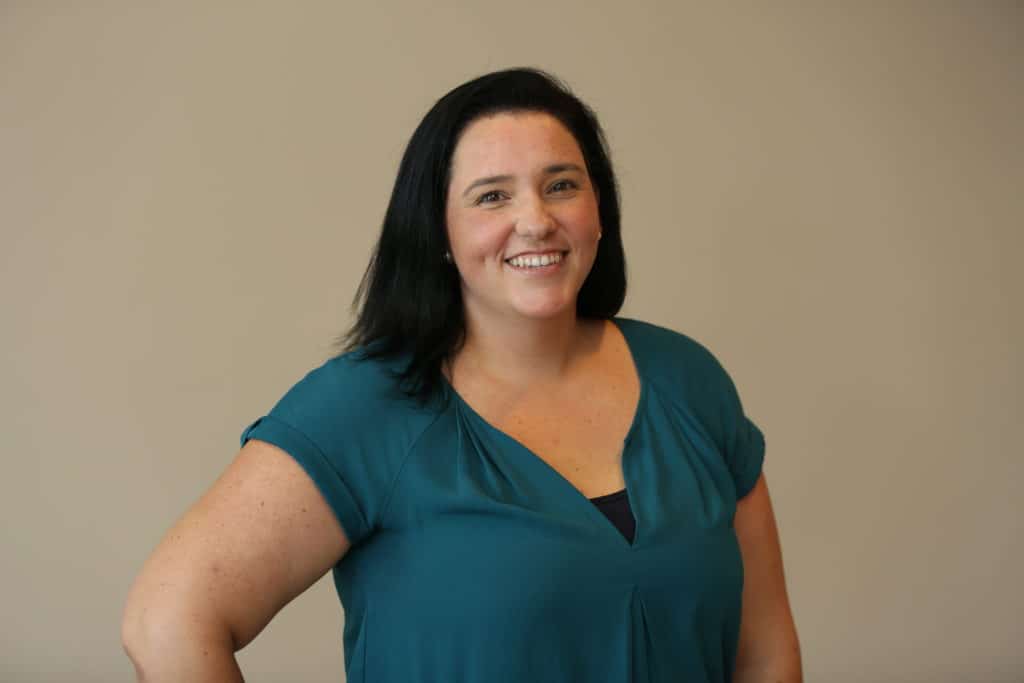
Stephenie Langston began her career as a bench scientist in infectious disease laboratories before joining the Environmental, Health, and Safety department at the University of Florida. While at UF, Stephenie worked in lab safety, biosafety/IBC, and served as the EHS consultant to the IACUC. During her time, she managed safety concerns and successfully facilitated the IBC’s transition from paper to the online Biosafety Permits module.
In addition to her role at UF, Stephenie was an active member of CSHEMA and co-founder of their Animal Research Health & Safety Community of Practice which aims to bridge the communication gap between safety and animal husbandry. Stephenie holds a Master of Science in Biotechnology from the University of Central Florida and a Master of Business Administration from the University of Florida. Stephenie is passionate about process improvement and brings a unique skillset to the team that is founded in hard work, adapting to change, and making safety more approachable for everyone.