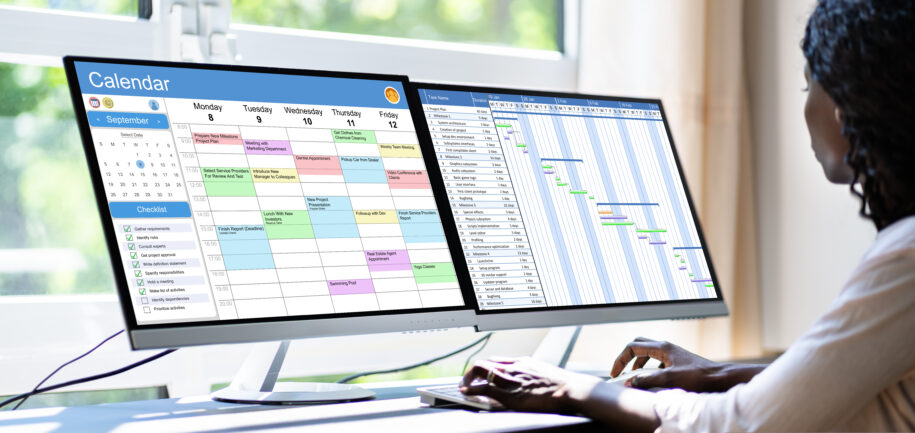


In the world of EHS, timing is everything. Whether you’re managing routine inspections, maintenance, or regulatory reporting, staying on schedule isn’t just helpful, it is required. One of the most common challenges for EHS teams is figuring out how to schedule recurring compliance tasks: Should they be set on a fixed timeline regardless of when they were last completed, or should the next task be triggered only after the previous one is finished?
This is where the Compliance Calendar makes the difference. With flexible scheduling, users can use the calendar to manage tasks in a way that best fits their needs while keeping everything well-documented and audit ready.
Independent vs. Dependent Scheduling: What’s the Difference?
When tasks are scheduled independently of the last completion, they are on a fixed interval of your choosing, no matter when the previous task was marked complete. This ensures that compliance tasks don’t slip through the cracks due to delays or missed entries. Example, if a monthly event is due on the first of each month, the schedule will remain on that date regardless of when last month’s event was actually completed in the system.
In contrast, dependent scheduling links the timing of the next task to the completion of the preceding one. If a task is completed behind schedule, the system schedules the next one based on the completion date. This option is ideal for processes that require follow-up based on actual completion, such as corrective actions or training refreshers that need to occur at a specific time after a previous session.
Why Does This Matter?
Both scheduling methods offer benefits. Independent scheduling promotes consistency and accountability. It’s especially useful for inspections and regulatory deadlines that have to occur at specific times, no matter what. Dependent scheduling offers more flexibility and is better configured for tasks that are reactive in nature or dependent on user performance.
Having the ability to choose between these two options can make a huge difference in how effective your compliance program is and how manageable it feels for your team.
How SafetyStratus Makes It Easy
The SafetyStratus Compliance Calendar is designed with real-world needs in mind. The calendar supports both independent and dependent scheduling, giving teams the freedom to configure task management based on each activity. Tasks can be customized, tracked, and automatically scheduled, so you don’t have to rely on memory.
Configurable notifications ensure that you’re always aware of events due, events overdue, and events coming up. Whether you’re running a single site or managing multiple facilities, the calendar gives you the visibility and control needed to maintain compliance.
In EHS, falling behind can lead to more than just lost time it can result in regulatory penalties and increased risk. With SafetyStratus, you can choose the right scheduling method for each task and ensure that nothing gets missed. Whether your needs are time-based or completion-based, the Compliance Calendar helps you stay on track and in control.
AUTHOR BIO:-

Randy Langston has built a career defined by adaptability and growth. From hands-on work in construction and welding to managing the greens of a golf course, he eventually pivoted into the tech industry.
After completing a technical degree, he joined SafetyStratus as a Technical Support Agent, where his dedication and expertise led him to his current role as Technical Support Manager. With a diverse background and a passion for problem-solving, Randy brings a unique perspective to the tech world.